Facebook
 X
X
 Pinterest
 Copy Link
Buying Montana Land for Elk Hunting: What Actually Makes a Property Hunt Well?
It’s September in Montana, so elk hunting has been on my mind.
It’s hard for it not to be. I see bowhunters driving around Helena with coolers and packs in the back of their trucks. My social media feed is full of elk, trail camera pictures, hunting camps and stories from people who have already been in the mountains.
Elk season comes and goes quickly. But most serious elk hunters I know think about elk all year.
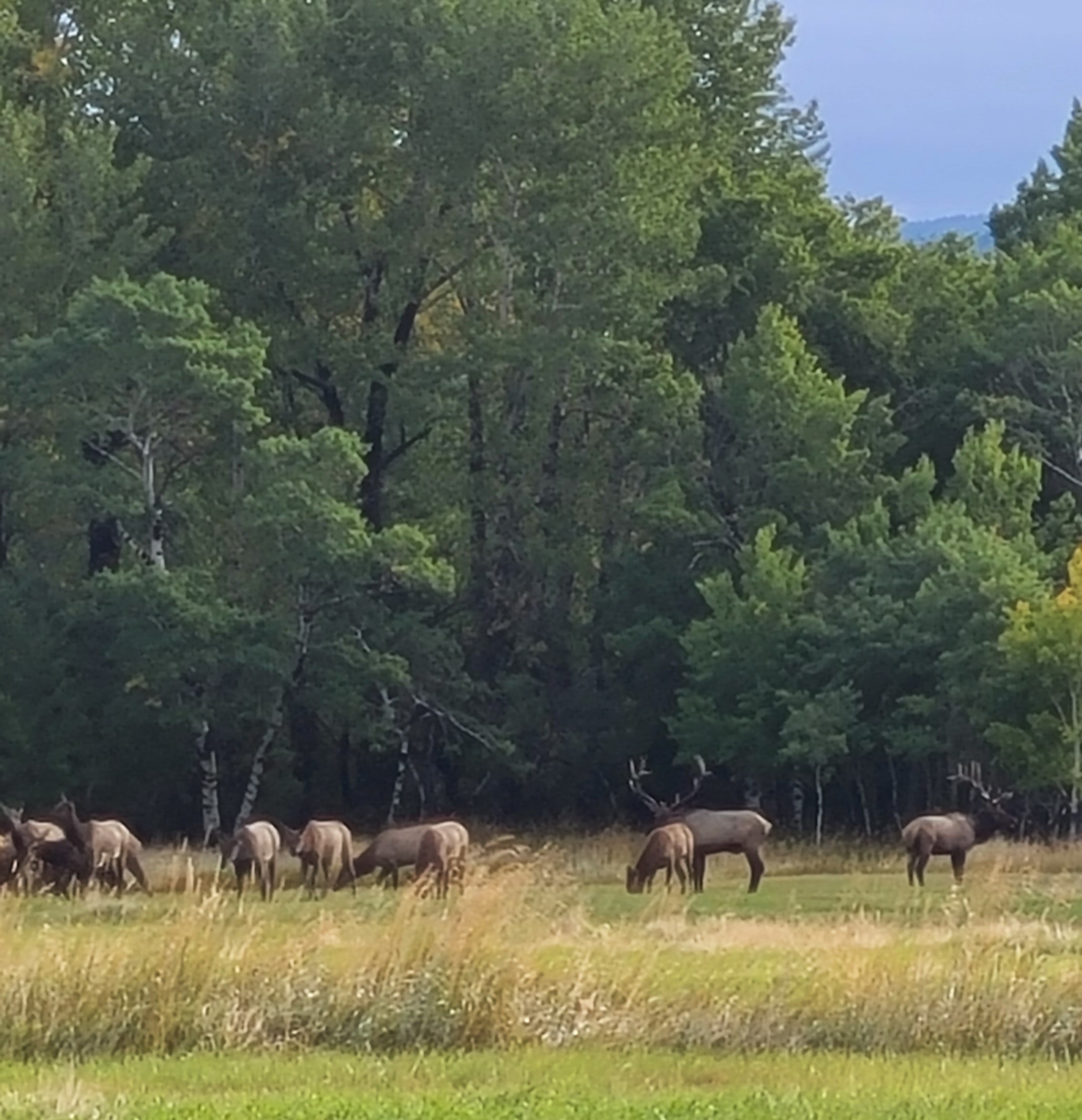
Where are they now? Where will they be in September? What happens when hunting pressure starts? Where do they go when the weather changes? And, for those of us interested in land, what would it take to own a piece of Montana that consistently gives elk a reason to be there?
That last question is one I think about quite a bit.
I have spent most of my life hunting, fishing, guiding and working outdoors in Montana. Now, as a real estate professional specializing in recreational property, I find myself looking at land through both lenses.
One thing I have learned is that acreage alone doesn’t make a good elk property.
A well-positioned piece of private ground can hunt far better than a much larger property in the wrong location.
The question isn’t simply, “Are there elk here?”
The better question is, “Why are the elk here, and what will keep them here during hunting season?”
Look Beyond the Property Lines
One of the first things I want to understand is how a property fits into the surrounding landscape.
Elk don’t care who owns the ground.
A property might only be several hundred acres, but if it sits between large blocks of public land, agricultural ground, water and secure bedding habitat, it may be positioned extremely well.
Another property could contain thousands of acres but have relatively little reason for elk to use it during September.
I want to know what surrounds the property. Where is the timber? Where is the feed? Where is the water? Where are elk likely bedding? Where are neighboring hunters accessing the country? And where are elk likely to move when hunting pressure increases?
For an archery elk property, those questions can be more important than the total acreage.
“Borders Public Land” Doesn’t Tell the Whole Story
Public-land adjacency is one of the most desirable characteristics in Montana recreational real estate, and for good reason. It can give a landowner access to considerably more country than they actually own.
But not every public-land boundary is equally valuable.
A property bordering thousands of acres of difficult-to-access public land can be very different from one bordering heavily traveled public ground with multiple roads and trailheads nearby.
I want to understand what that public ground actually looks like and how people use it.
Sometimes private land becomes particularly valuable because of the pressure occurring on the surrounding public land. Elk may move onto private ground looking for security. In other situations, the private property can provide a strategic access point into a much larger piece of country.
The words “borders public land” get my attention. They don’t finish the analysis.
Water Matters
In much of Montana, water is a major piece of the puzzle.
Springs, creeks, ponds and stock water can all influence how elk use a property. On dry years or in naturally dry country, reliable water can become especially important.
When I’m evaluating land, I also want to separate the presence of water from the legal right to use it. A creek running through a property and a legally recognized water right are not necessarily the same thing.
That distinction matters in a real estate transaction, and it becomes even more important if a buyer intends to make habitat improvements.
Feed, Cover and Security
Elk need food, but great feed alone doesn’t necessarily make a great hunting property.
They also need somewhere they feel secure.
Open parks, native grasses, agricultural fields and other forage can draw elk. Timber, brush, broken terrain and areas with limited human disturbance can give them the security to remain on the property during daylight hours.
I am particularly interested in the relationship between the two.
Can elk feed and then move quickly into secure cover? Are there areas where they can bed without being disturbed? Can a hunter move around the property without constantly blowing elk out?
Those details become especially important once September arrives.
Hunting Pressure Changes Everything
A property can look completely different in July than it does during archery season.
Summer elk sightings are certainly encouraging, but I wouldn’t buy a hunting property based solely on seeing elk standing in a meadow during a showing.
Once hunters begin moving through the surrounding country, elk behavior changes.
That is why understanding neighboring ownership and access is so important. A road, trailhead or heavily hunted piece of public land on the other side of the ridge can have a significant effect on how elk use private property.
In some situations, hunting pressure can actually improve the value of strategically located private land by pushing elk toward areas where they feel safer.
The important thing is understanding that dynamic before you buy.
Access Matters for Hunters Too
Good elk habitat doesn’t automatically mean a property will hunt well.
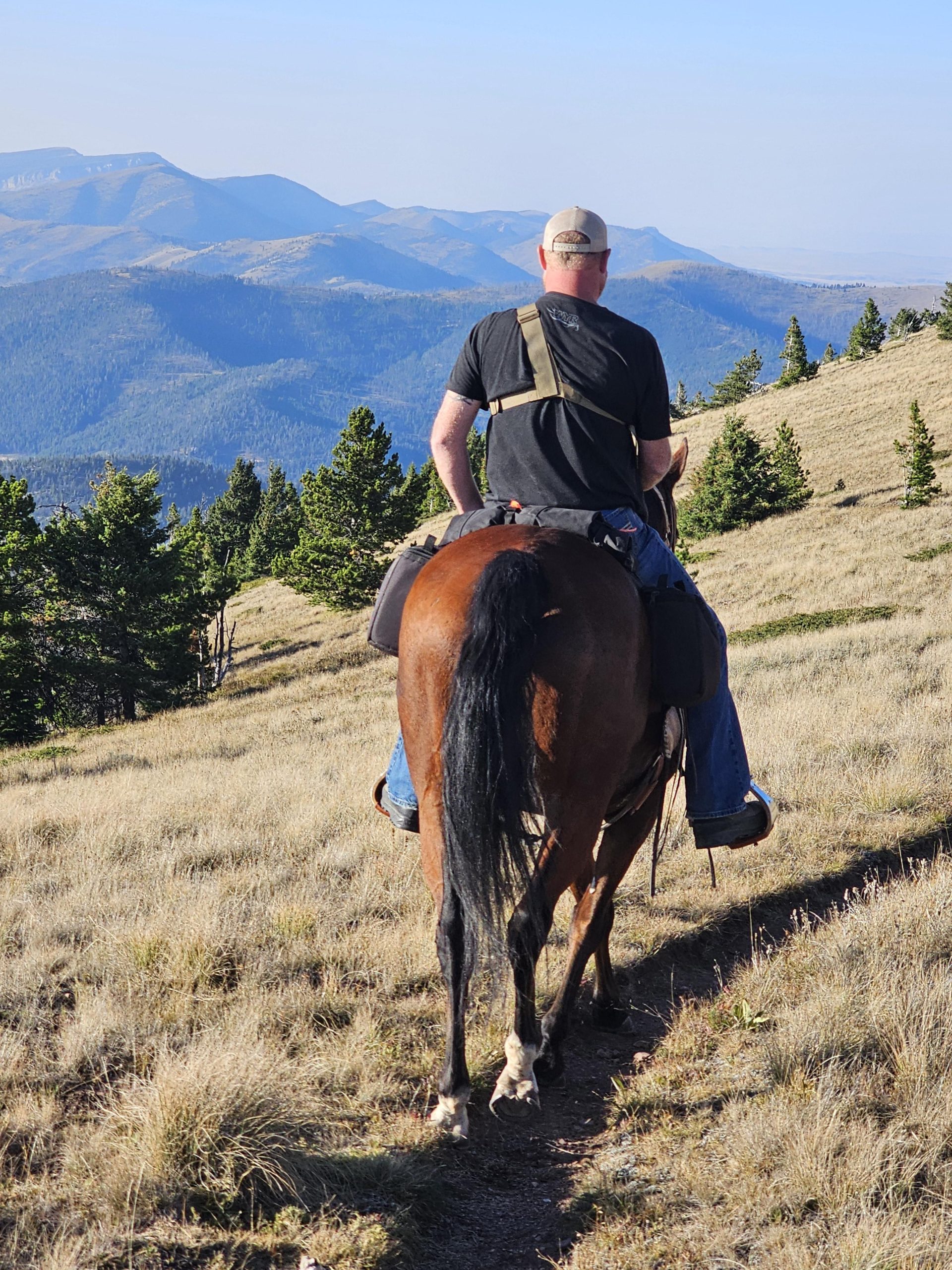
I want to know how a hunter can actually move through the property.
Can you approach feeding areas without crossing bedding areas? Can you hunt prevailing winds effectively? Are there multiple ways to access different portions of the property? Can you get into position without driving through the heart of the elk habitat?
A road in the wrong place can hurt a hunting property. A strategically placed trail or access route can make it significantly better.
This is one reason I like walking a property rather than evaluating it entirely from aerial imagery. Maps tell me a tremendous amount, but eventually you need to put your boots on the ground.
Don’t Overlook Improvement Potential
Some of the most interesting hunting properties aren’t finished products.
They have the fundamentals, but there is room to make them better.
Depending on the property and applicable regulations, that might mean improving water sources, enhancing forage, managing timber and vegetation, improving security cover, changing road use, or simply reducing unnecessary human disturbance.
For the right buyer, this can be an opportunity.
Rather than paying a premium for a highly developed hunting ranch, it may make sense to buy land with the right location, habitat and surrounding landscape and improve it over time.
You can change quite a bit about a property.
You can’t move it.
Buy the Habitat, Not the Elk You See That Day
If I had to reduce all of this to one piece of advice, it would be this:
Don’t buy the elk you see on showing day. Buy the habitat and the landscape that give elk a reason to be there in September.
There is nothing wrong with getting excited when you walk a prospective property and find fresh rubs, tracks, wallows or elk themselves. I certainly do.
But those observations need context.
Why are the elk there? Is their presence seasonal? What happens when hunting pressure begins? Where will they go to feed, water and bed? Does the property provide something they can’t easily find on the surrounding ground?
Those are the questions that tell you much more about what you’re actually buying.
Finding the Right Montana Elk Property
Searching for Montana hunting land requires more than entering “elk,” “hunting” and “borders public land” into a real estate search.
The best properties often make sense because of a combination of characteristics that aren’t obvious in the listing description.
Acreage matters. Location matters. Public land matters. Water, feed and cover matter. But how all of those pieces work together is what ultimately interests me.
For buyers serious about owning an archery elk property in Montana, I believe the search should start with understanding how you want to hunt and what you want the property to accomplish.
Then we can start looking for the ground that actually fits that goal.