
 Facebook
 X
X
 Pinterest
 Copy Link
What Started as a Home Search Ended with a Custom Montana Dream
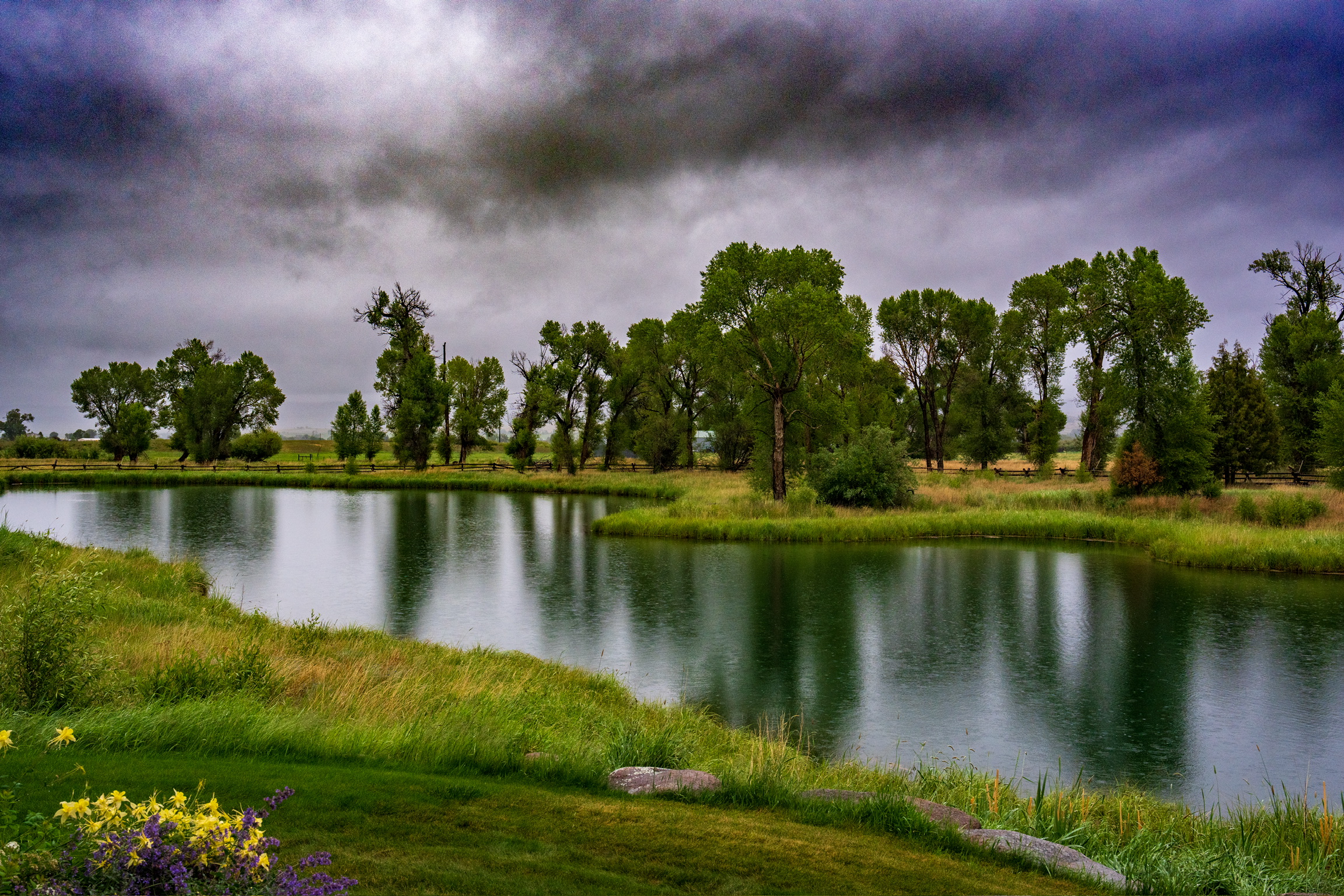
One of the things I enjoy most about real estate is that no two transactions are ever the same.
Recently, I had the privilege of working with clients who initially came to Helena with the intention of purchasing an existing custom home. We toured several outstanding properties and carefully evaluated what the market had to offer. Along the way, it became clear that while there were some excellent homes available, none of them truly matched the vision they had for the next chapter of their lives.
So, we pivoted.
Instead of buying an existing home, we shifted our focus to finding the right piece of land where they could build exactly what they wanted. That decision opened the door to an entirely different side of real estate. One that involves much more than simply finding the right property.
Over the next several weeks, we evaluated numerous parcels throughout the Helena area. We discussed building sites, topography, utilities, access, septic feasibility, neighboring properties, future resale value, and long-term livability. We interviewed local builders, compared construction timelines, and ultimately helped assemble a fantastic team capable of bringing their vision to life.
What surprised me most, however, was how much I learned about Montana water rights.
If you’ve ever purchased vacant land in Montana, you’ve probably heard the term “water rights.” Most people assume that if a parcel has a well, or if drilling a well appears to be possible, that’s the end of the conversation. In reality, it can be far more complicated.
One document in particular became a critical part of this transaction: the DNRC Form 602I.
For many buyers, this form is something they’ve never heard of until it becomes part of their purchase. Yet it can play a significant role in determining whether a property qualifies for a new exempt well under Montana law. Understanding when the form is required, how it should be completed, and how it fits into the due diligence process can save buyers time, frustration, and unexpected delays.
Throughout this transaction, I spent considerable time working directly with the Montana Department of Natural Resources and Conservation here in Helena. I asked questions, reviewed applications, learned the process from the people responsible for administering it, and gained an appreciation for just how important this step can be.
That experience has become invaluable.
Today, when I help clients evaluate vacant land, I don’t simply point out the views or the building site. We discuss water availability, DNRC requirements, utility access, easements, septic considerations, mineral rights, and the many details that can affect both the value of a property and the feasibility of building on it.
Another area that required significant due diligence was mineral rights. While many buyers never think to ask about mineral ownership, understanding what rights transfer with a property can be an important part of protecting your investment. Every parcel is different, and taking the time to investigate these issues before closing is always preferable to discovering them afterward.
This transaction reminded me that buying land is fundamentally different from buying a home. The due diligence is deeper, the questions are more technical, and having an experienced advocate matters.
In the end, my clients purchased an outstanding piece of Montana property, selected an excellent local builder, and are now well on their way to creating a custom home designed specifically for the way they want to live. Watching that vision come together has been one of the most rewarding experiences of my real estate career.
If you’re considering purchasing land anywhere in the Helena area, whether your goal is to build next year or simply invest for the future, I’d be happy to help you navigate the process. The right property is only the beginning. Understanding everything that comes with it is what makes the difference.


